Why this must be — Europe between tsar, jurists and chemist
The analysis
Brussels as variable, not as constant
Why the heaviest link-with-inertia within a Dutch reform has no veto — as long as the Netherlands dares to make its own weighting public.
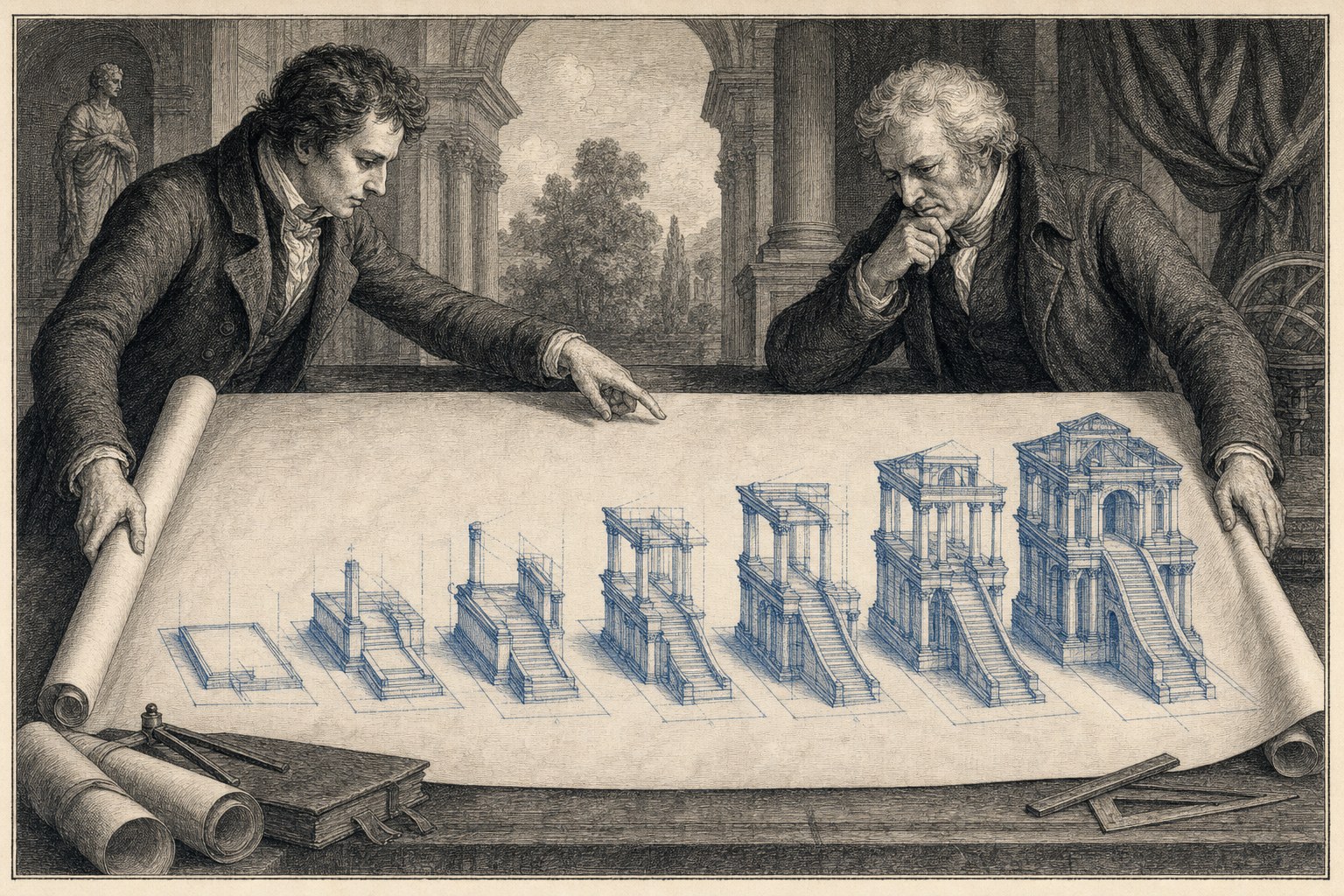
The six orders of phasing
How do you rebuild a load-bearing administrative structure without it collapsing during the work? Six phases, ten years, one playbook.
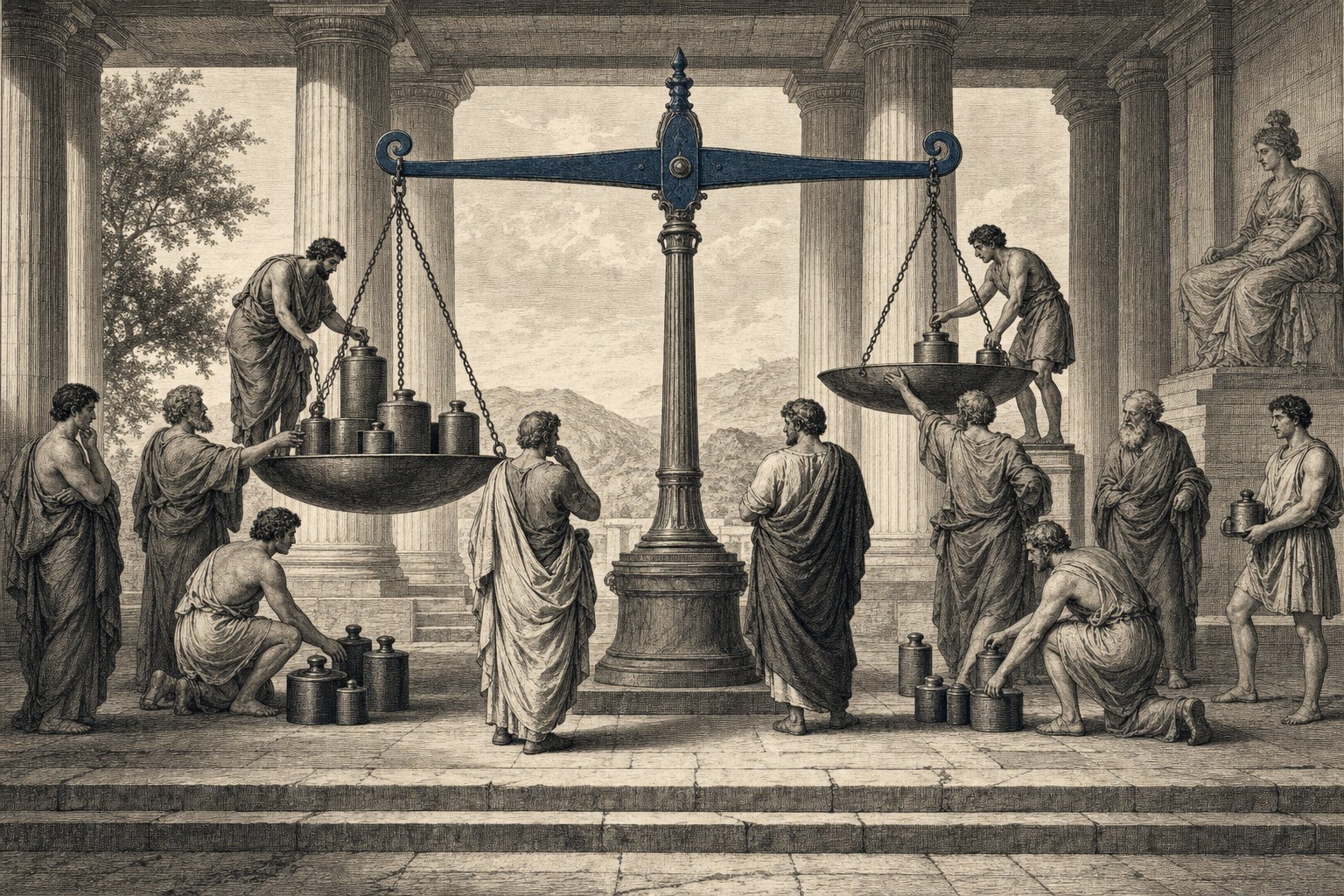
Who blocks, and how heavily?
The Pareto top twelve actors that together carry eighty per cent of the brake weight — and what we can concretely do about it.
The objections and the mirrors

Media as elongation strip
Not as messenger, not as cause — as measuring instrument. How the media layer makes visible the tension in the system before administration acknowledges it.
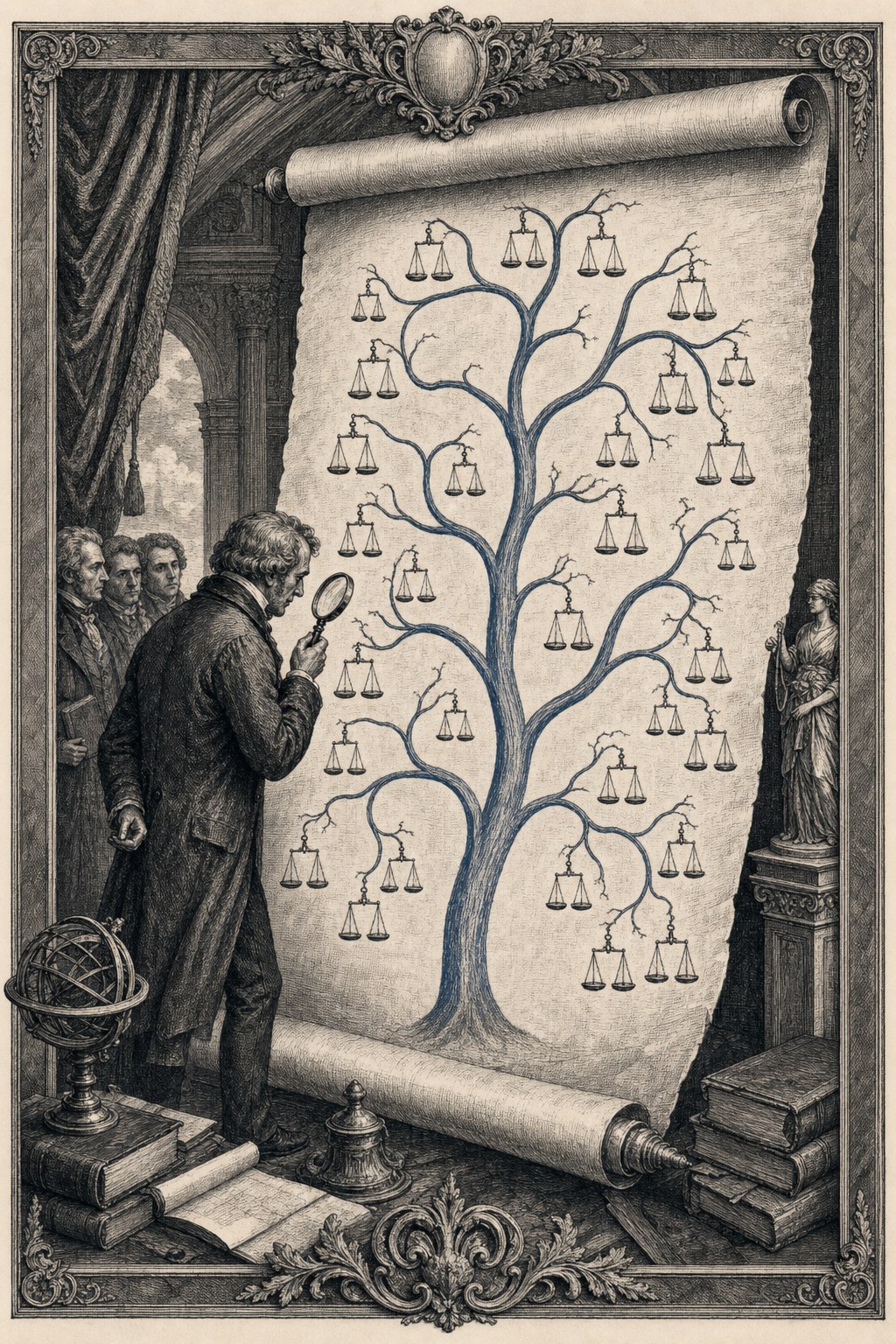
Orders of objection
A classification of objections by weight and logic — so that what counts in a professional journal is not confused with what counts in a living room.

Twenty current objections
The twenty objections now circulating in Dutch public debate — weighed, classified, answered.
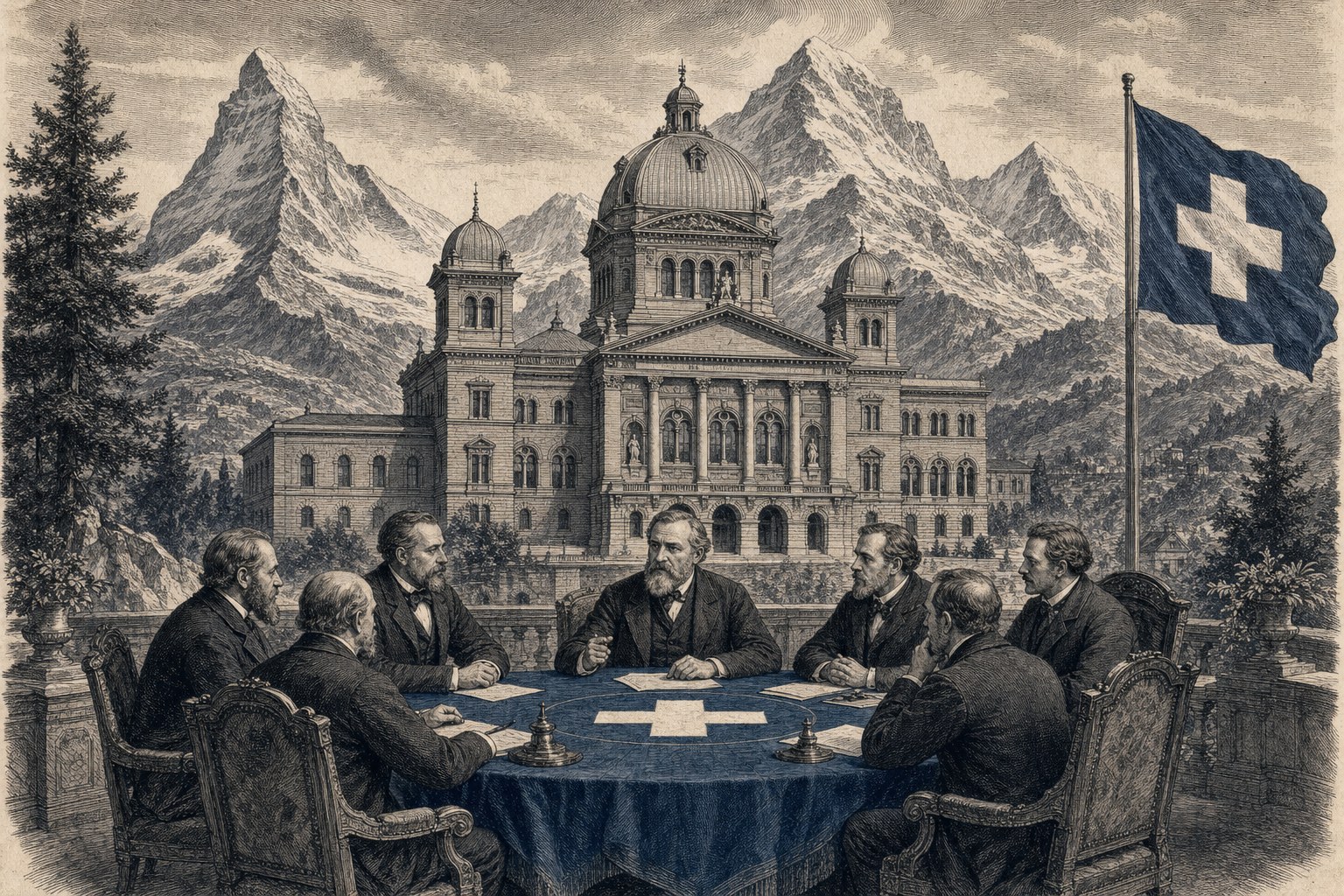
The Swiss mirror
What Switzerland has shown for a hundred years that in the Netherlands would be called impossible — and how it works.
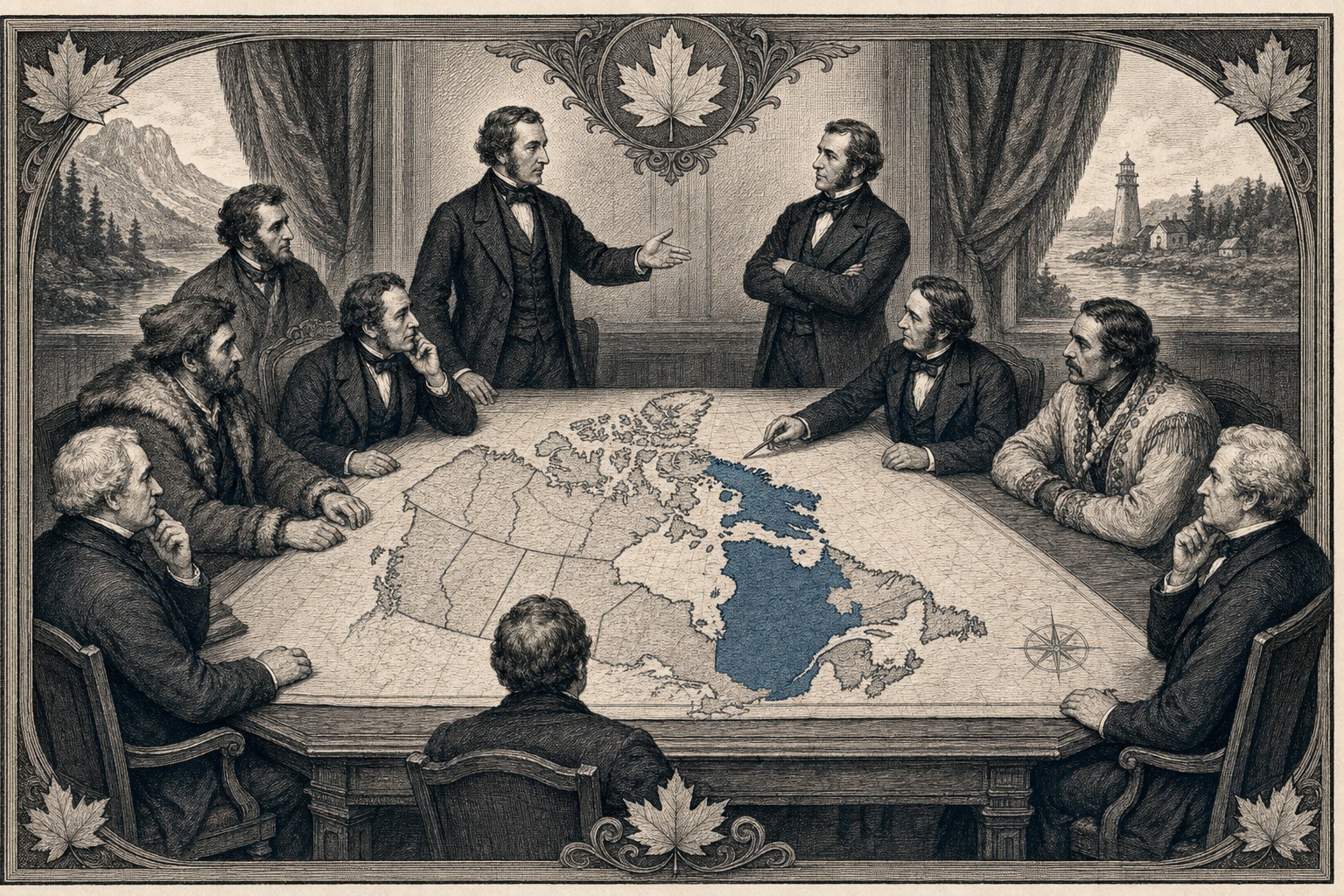
The Canadian mirror
Federal lessons learned for a European federal restart — what Canada does and Europe does not yet.
The field of forces
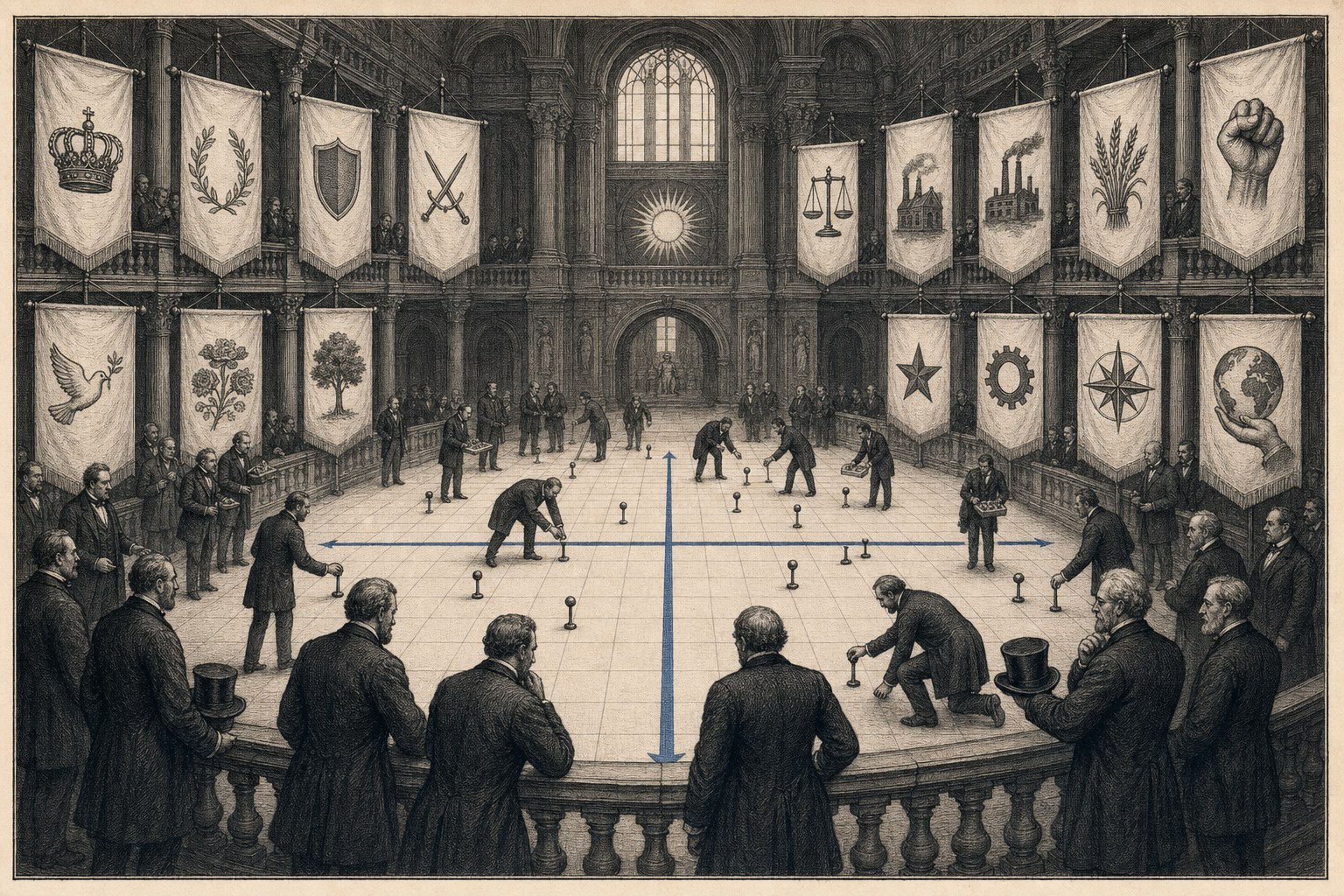
Where does your party stand?
A weighted map of Dutch parties relative to the six orders — who carries, who brakes, who keeps silent.
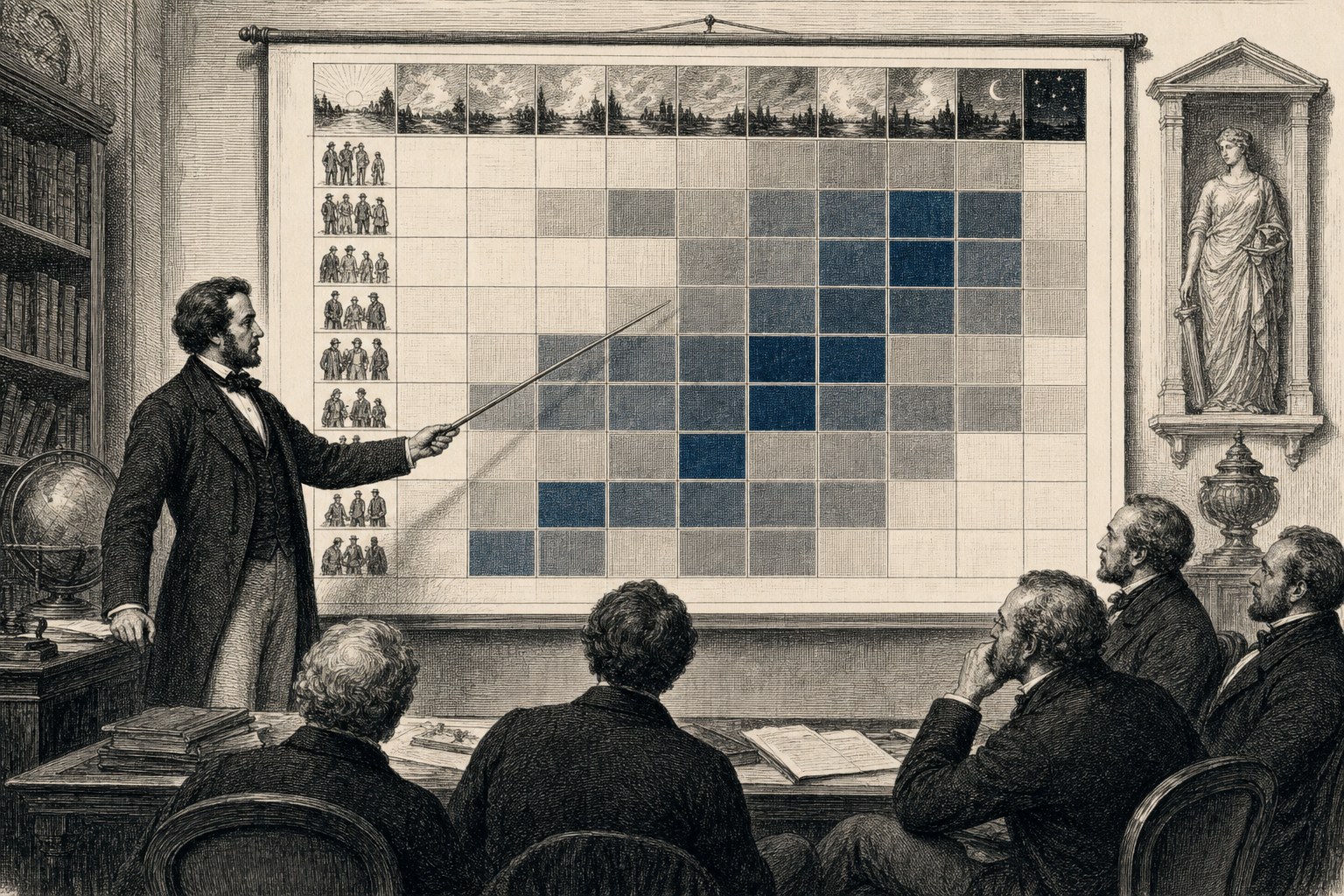
Who resists, who helps?
Pareto per actor — a measured classification of helpers, links-with-inertia, and silent ones, in concrete percentages.
The design
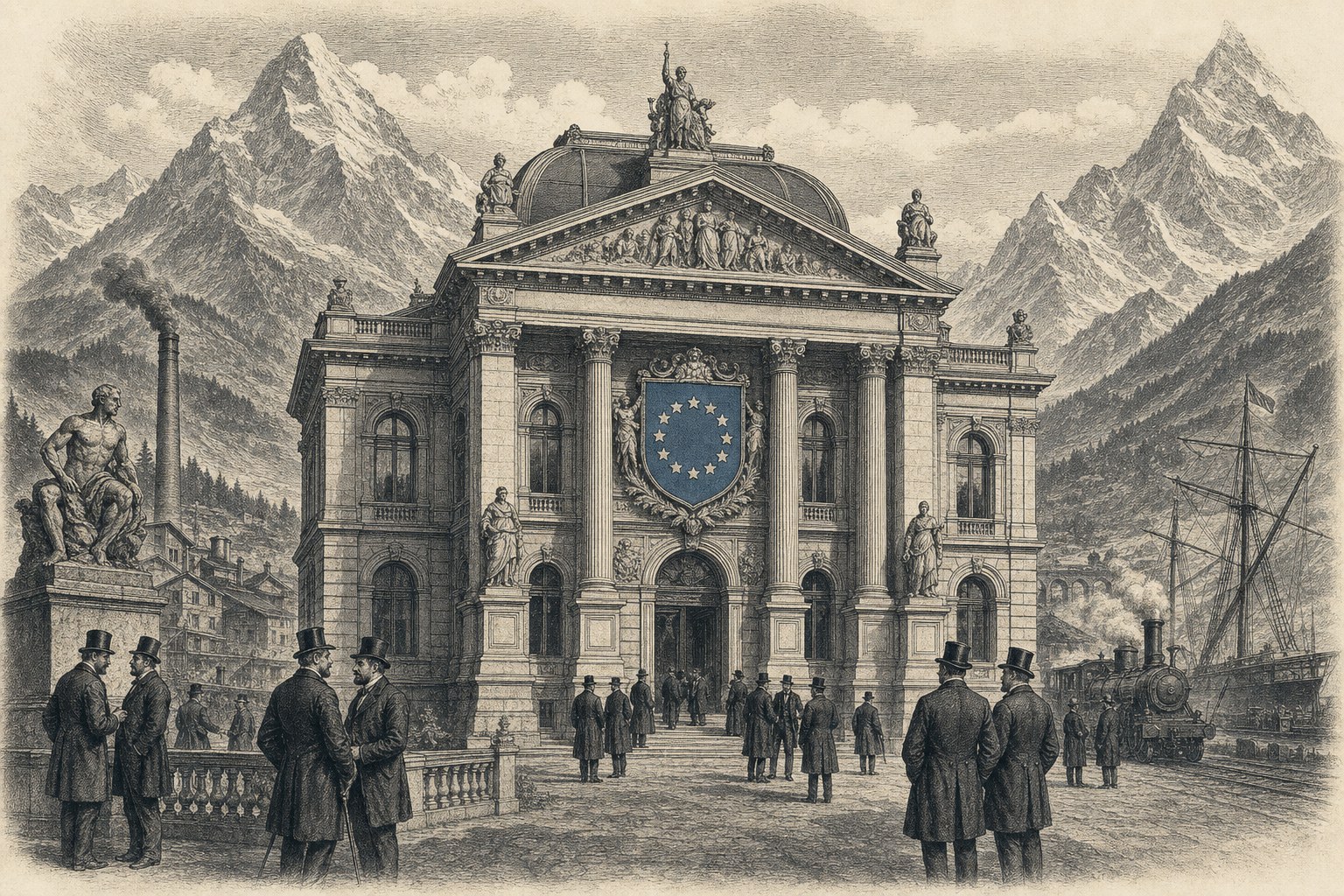
UEI — a European counter-power from Switzerland
A design for a second organ — a European 'Bondsraad' — that can take measured decisions that may sometimes go against sentiment.

The knowledge layer as ally
Why universities, planning bureaus and advisory councils are not opponents but the conserving force on which the design leans.
The best way forward
A summary in four points — what the first 100 days, first year, first five years concretely require.